
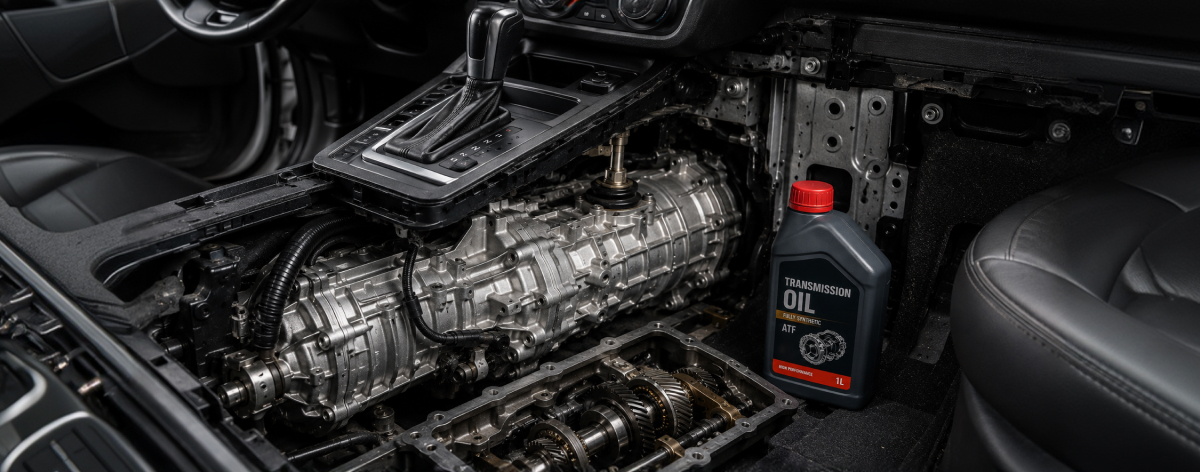
Transmission oil is a specialized lubricant that helps the transmission system transfer power smoothly from the engine to the wheels. It reduces friction, controls heat, and protects internal components from wear, ensuring reliable vehicle performance.
Unlike engine oil, transmission oil is specifically designed to meet the demands of gear operation and power transfer. In automatic transmissions, it also acts as a hydraulic fluid that enables smooth gear engagement and shifting.
Key functions of transmission oil include:
- Lubricating gears, bearings, and moving components
- Reducing friction and wear
- Dissipating the heat generated during operation
- Preventing rust and corrosion
- Supporting hydraulic pressure in automatic transmissions
- Improving transmission efficiency and durability
Using the right transmission oil and maintaining it properly can help ensure smoother gear shifts, better performance, and a longer transmission lifespan.
How Transmission Oil Enables Smooth Gear Shifting?
Smooth shifting of gears is highly reliant on the condition and quality of Automatic Transmission Fluid (ATF) moving around the transmission system. Besides being a lubricant, ATF is involved in managing friction, preserving hydraulic pressure, and ensuring the timely engagement of gears.
With automatic transmissions, ATF Fluid acts as a hydraulic medium that conveys energy and helps gear changes by operating clutches and bands. Gear shifts are smooth and effective when the fluid has the right viscosity and other performance features.
Besides, using clean and high-quality transmission fluid can help in reducing the wear caused by friction between moving parts. This leads to a decrease in rough gear engagement, less transmission effort, and a better driving experience.
Benefits of Proper Transmission Fluid for Gear Shifting
- Ensures smooth and responsive gear changes
- Maintains consistent hydraulic pressure
- Reduces gear slippage and hesitation
- Minimizes transmission noise and vibration
- Improves driving comfort and control
- Supports efficient power transfer
Over time, contamination, oxidation, and heat can degrade Automatic Transmission Fluid (ATF), affecting its ability to perform these critical functions. Regular fluid inspections and timely replacements help maintain optimal shifting performance and protect the transmission from unnecessary wear.
The Relationship Between Transmission Oil and Transmission Lifespan
Every vehicle transmission incorporates a lot of gears, bearings, clutches, and other moving parts that are continuously subjected to friction and heat. If they aren’t properly lubricated, these parts will wear faster, leading to a loss of efficiency and a higher possibility of expensive repairs.
Excellent transmission oil produces a film of protection on the surfaces of the metals, which limits direct contact and so wear. On top of that, it aids in the removal of heat which is produced during the operation, so preventing overheating that can harm seals, clutches, and other internal transmission elements.
By periodically changing transmission oil, it prolongs component integrity, increases operating efficiency, and lengthens the entire lifetime of the transmission system.
How Transmission Oil Extends Transmission Life
- Reduces metal-to-metal contact and wear
- Prevents overheating and thermal damage
- Protects internal components from corrosion
- Maintains smooth and efficient operation
- Reduces the likelihood of major transmission failures
- Helps lower long-term maintenance and repair costs
Even a small decline in fluid quality can impact transmission performance over time, making regular inspections and fluid changes an essential part of preventive vehicle maintenance.
Signs Your Vehicle Needs New Automatic Gearbox Oil
Just like any other lubricant, Automatic Gearbox Oil progressively turns less effective because of heat, friction, and contamination. When its performance goes down, the transmission might start to display signs indicating the fluid is due for an inspection or replacement.
Identifying these signs early can save you from severe transmission damage and expensive repairs.
Typical Symptoms of Deteriorating Transmission Fluid
Delayed Gear Engagement
A delay between the moment you shift to Drive or Reverse and the vehicle actually starting to move might be a sign that the transmission fluid is no longer capable of delivering enough hydraulic pressure.
Hard or Rough Shifting
If you experience the changes in gears that are very sharp, movements that are not smooth, or highly irregular, it could be a sign that the fluid is contaminated or it has lost its properties.
Transmission Slipping
If your transmission shifts gears without warning or the car seems to have a hard time staying in gear, it might be that the liquid that helps in gears and clutch operation is worn out.
Burning Smell
Transmission fluid that has been heated excessively or has begun to break down gives off a burning smell. Such a smell is a warning that the transmission fluid is failing to protect the transmission adequately.
Dark or Dirty Fluid
Normal transmission fluid should be a bright, clean color. If it becomes dark, cloudy, or contains particles, then it is a sure sign that changing the fluid is necessary.
Unusual Noises
Grinding, whining, or humming noise when changing gears can be a result of a lack of lubrication and increased friction within the components.
Why You Shouldn’t Ignore These Warning Signs
Running your car on degraded Automatic Transmission Oil (ATO) will not only speed up the wear of the parts but will also lower the transmission’s performance efficiency and raise the possibility of costly repair work or even complete failure of the transmission. Checking the fluid regularly and doing timely maintenance are the key things to keep the transmission working smoothly and reliably.
Choosing the Right Automatic Transmission Fluid for Your Vehicle
Transmission fluids are not all alike. Choosing the right Automatic Transmission Fluid (ATF) is key to getting smooth gear shifts, safeguarding transmission parts, and keeping the vehicle operating well over time.
Auto manufacturers tailor their transmission systems for use with certain fluid types. If you use the wrong ATF, it can change the lubrication, the hydraulic pressure, and the friction properties, which could result in bad shifting and more wear.
Factors to Consider When Selecting Transmission Fluid
Follow Manufacturer Specifications
Transmission fluid type and specification recommended by vehicle manufacturers are usually mentioned in the vehicle owner’s manual.
Consider Driving Conditions
Generally, if you are using a heavy-duty vehicle, carrying heavy goods, or working in extreme weather, you should opt for premium transmission fluids that provide better protection.
Understand Your Transmission Type
Since different kinds of transmission require different types of fluids, using the right fluid is vital for maximum performance and compatibility of parts.
Choose Quality Products
Good transmission fluids have the ability to resist oxidation, hold up well against heat, and provide wear protection; they can even help your transmission last longer.
Synthetic vs. Conventional Transmission Fluids
Fluids made with synthetic bases usually outperform mineral ones in aspects like the resistance to high temperatures, the longevity of the lubricant, and the protection of the parts, even in extremely harsh conditions. Although some conventional fluids could fit the requirements of some operations, they will most likely need to be changed more often.
Using top-notch Transmission Fluids that comply with the technical specifications of the manufacturer and that are specially developed for providing trustworthy running, better and effortless changing, and efficient keeping of the transmission parts over time is the right course of action.
Best Practices for Maintaining Transmission Oil Performance
Continual upkeep is critical for the Transmission Oil to perform consistently well over the vehicle’s entire lifespan. Scheduled checks and prompt repairs can stop transmission issues from turning into expensive ones.
Simply adhering to a couple of basic maintenance routines can lead the drivers to better transmission performance, longer component life, and the maintenance of smooth gear shifts.
Transmission Maintenance Checklist
Check Fluid Levels Regularly
Transmission fluid that is too low may cause less lubrication and harm to the hydraulic system. This can bring about transmission overheating and wearout.
Follow Recommended Service Intervals
Only change transmission fluid at the time recommended by the car manufacturer to get the best results in both the protection and running of your car.
Inspect for Leaks
If there are leaks of transmission fluid, then the levels will soon become very low, and you could damage your transmission if you do not fix the problem.
Monitor Fluid Condition
Good transmission fluid looks clean and is not too heavily contaminated. If the fluid is dark, burnt-smelling, or dirty, it is most likely time to change it.
Avoid Excessive Transmission Stress
Heavy towing, rapid driving, and many short stops and starts can all run the transmission fluid down faster and wear out your transmission even more.
Benefits of Regular Transmission Fluid Maintenance
- Smoother and more consistent gear shifting
- Reduced friction and component wear
- Improved transmission efficiency
- Lower risk of overheating and breakdowns
- Extended transmission lifespan
- Reduced long-term repair and maintenance costs
Routine transmission oil maintenance is a simple yet effective way to protect one of the most critical systems in your vehicle while ensuring reliable performance on every journey.
Conclusion
Transmission oil is very important for a vehicle’s transmission to work properly. It not only reduces friction and controls heat, but also enables smooth gear changes. Using the correct type of transmission fluid can help protect the essential parts of a transmission and make the transmission last longer.
If you have a vehicle with an automatic or a manual transmission, you should not only regularly check the condition of the fluid but also replace it at the right time. Doing so will most likely help you avoid performance issues as well as costly repairs. Purchasing good-quality transmission oil is an investment that can go a long way in ensuring that your driving is smooth and your car is reliable and protected at all times.
TechStager stands for the idea that if a car owner is well informed about vehicle maintenance, he/she can maximize the performance of the vehicle, reduce the cost of ownership, and keep the most important automotive systems running at their best possible level.
Keep Your Transmission Running at Its Best
Proper transmission fluid maintenance can improve shifting performance, reduce wear, and help extend the life of your vehicle’s transmission.
Frequently Asked Questions
What does transmission oil do in a vehicle?
Transmission oil lubricates gears and moving components, reduces friction, dissipates heat, and helps ensure smooth gear shifting. In automatic transmissions, it also provides the hydraulic pressure needed for gear engagement.
How often should transmission oil be changed?
The recommended interval varies depending on the vehicle manufacturer and driving conditions. Many vehicles require transmission fluid replacement between 40,000 and 100,000 kilometers, but it is best to follow the owner’s manual recommendations.
What are the signs of low or bad transmission fluid?
Common signs include delayed gear engagement, rough shifting, transmission slipping, unusual noises, a burning smell, and dark or contaminated fluid.
Can using the wrong Automatic Transmission Fluid (ATF) damage my transmission?
Yes. Using an incompatible Automatic Transmission Fluid (ATF) can affect lubrication, hydraulic pressure, and shifting performance, potentially leading to increased wear and transmission damage.
Does changing transmission oil improve vehicle performance?
Yes. Fresh transmission oil helps maintain smooth gear changes, reduces internal friction, improves transmission efficiency, and supports longer transmission life.