
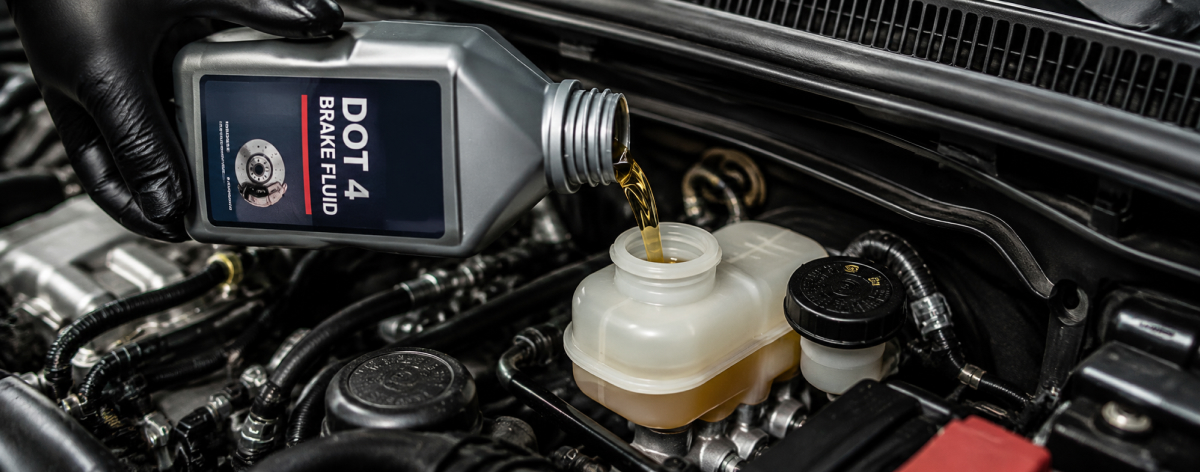
Modern vehicles place greater demands on braking systems than ever before. From ABS and electronic stability controls to heavier vehicle designs and congested traffic conditions, brake fluid performance plays a critical role in safety. This blog explores why DOT 4 brake fluid has become the preferred solution for maintaining consistent braking performance.
Big changes have taken place in the automotive industry during the last ten years. Cars today are not just judged by how powerful their engines are or how little fuel they consume. They also have very up-to-date safety features like anti-lock brakes (ABS), electronic stability control (ESC), vehicle traction control systems, and many advanced driver assistance systems that need accurate and reliable braking to work properly.
Also, cars get heavier mainly due to the safer body structures, more spacious interiors, extra features for comfort, and, with electric vehicles, large battery packs. This increase in car mass challenges the braking systems more, mainly when it comes to sudden stops or long braking durations.
Conditions for driving have changed as well. In the cities, the traffic jams cause the driver to brake many times. At the same time, the fast long-distance traveling on highways puts the brake systems under heat stress for a long time. The working efficiency of the fluid running through the brake system in such cases is just as important as the mechanically made parts of the system, as the research has shown. High temperatures, several braking cycles, and changes in environmental conditions can affect the braking performance, resulting in the safety of the vehicle being compromised.
The focus has changed to the importance of finding good-quality Automotive Brake Fluid and Vehicle Brake Fluid, considering the new scenario. Higher-performance formulations that can stand up to high thermal stress and, at the same time, allow the vehicle to respond quickly (which is important for today’s electronic safety systems) are being increasingly recommended by manufacturers. Due to this, DOT 4 brake fluid has become a popular option for drivers who want their brakes to perform well and reliably in modern vehicles.
Understanding What DOT 4 Brake Fluid Actually Does
Modern braking systems depend on a precise chain of events that occurs within seconds every time a driver presses the pedal. The table below illustrates how brake fluid serves as the critical link between driver input and vehicle stopping power.
Step | What Happens Inside the Brake System |
Driver Presses the Brake Pedal | Force is applied through the brake pedal. |
Brake Fluid Transfers Pressure | The Brake Fluid carries hydraulic pressure through sealed brake lines. |
Braking Components Activate | Calipers and wheel cylinders respond to the transmitted pressure. |
Vehicle Slows Down | Brake pads create friction against the rotors, reducing vehicle speed. |
Safety Systems Intervene if Needed | ABS and other electronic controls adjust braking force for maximum stability. |
Why Brake Fluid Is More Important Than Most Drivers Realize?
While brake pads and discs are visible components of a braking system, the entire process depends on the fluid that connects them. Without a high-quality Brake Fluid, the force generated at the pedal cannot be effectively transmitted to the wheels.
DOT 4 functions as a specialized Hydraulic Brake Fluid, designed to move pressure instantly and consistently throughout the braking system. This hydraulic action enables drivers to maintain precise control during routine driving as well as emergency braking situations.
What Modern Vehicles Expect From Their Brake Fluid
Today’s vehicles demand more from their braking systems than ever before.
Modern brake systems must support:
✓ Anti-lock Braking Systems (ABS)
✓ Electronic Stability Control (ESC)
✓ Traction Control Systems
✓ Emergency Braking Assistance
✓ Heavier Vehicle Architectures
✓ Frequent Urban Stop-and-Go Driving
To support these technologies, the Brake System Fluid must maintain stable performance under varying temperatures and operating conditions.
Where DOT 4 Stands Apart
DOT 4 brake fluid is engineered to deliver stronger thermal performance and greater braking consistency, making it particularly well-suited for modern vehicles equipped with advanced safety technologies.
As vehicle technology continues to evolve, brake fluid is no longer just a maintenance item. It has become a critical component that directly influences braking response, driver confidence, and overall road safety.
Why Heat Is the Biggest Challenge for Any Brake Fluid
Every braking event generates heat. During routine city driving, the temperature increase may be moderate, but in situations involving repeated braking, steep descents, heavy loads, or high-speed driving, temperatures inside the braking system can rise rapidly. The ability of an Automotive Brake Fluid to withstand this heat directly influences braking consistency and vehicle safety.
Type | What It Means | Why It Matters |
Dry Boiling Point | The temperature at which new, uncontaminated brake fluid begins to boil. | Indicates the fluid’s maximum performance capability. |
Wet Boiling Point | The temperature at which brake fluid boils after absorbing moisture over time. | Reflects real-world braking performance throughout the fluid’s service life. |
Since brake fluid naturally absorbs moisture from the atmosphere, its boiling point gradually decreases with age. This makes both dry and wet boiling point ratings important when evaluating long-term performance.
What Happens When Brake Fluid Boils?
When excessive heat causes brake fluid to boil, vapor bubbles can form within the hydraulic system. Unlike liquid, vapor can be compressed, which reduces the efficiency of pressure transfer throughout the braking system.
This can result in:
- A soft or spongy brake pedal
- Reduced braking responsiveness
- Longer stopping distances
- Increased risk during emergency braking situations
This condition, commonly known as brake fade or vapor lock, can significantly affect vehicle control when reliable braking is needed most.
Why DOT 4 Performs Better Under Demanding Conditions
DOT 4 brake fluid is formulated with higher boiling point characteristics than many conventional alternatives, allowing it to maintain performance under elevated temperatures. This makes it particularly beneficial for modern vehicles that frequently encounter congested traffic, highway driving, mountainous terrain, or heavy-duty operating conditions.
By resisting heat-related degradation, DOT 4 helps maintain consistent hydraulic pressure, reliable pedal feel, and predictable braking response. For drivers and fleet operators alike, this translates into greater confidence behind the wheel and improved protection for critical braking components.
Why ABS and Electronic Safety Systems Prefer DOT 4?
Modern vehicles rely on advanced safety technologies such as ABS, Traction Control Systems (TCS), and Electronic Stability Control (ESC) to help drivers maintain control in challenging situations. While these systems are powered by sophisticated electronics, their effectiveness ultimately depends on a responsive Hydraulic Brake Fluid.
ABS Requires Rapid Pressure Changes
During emergency braking, ABS rapidly adjusts brake pressure to prevent wheel lock-up and maintain steering control. DOT 4 brake fluid helps support these quick hydraulic changes by delivering consistent performance under varying temperatures.
Traction and Stability Systems Depend on Consistency
Traction control and stability systems frequently apply braking force to individual wheels to improve grip and vehicle balance. These interventions occur within milliseconds and require reliable fluid flow throughout the braking system.
Why DOT 4 Is Preferred
DOT 4 brake fluid is designed to handle higher operating temperatures while maintaining stable hydraulic performance. This helps modern safety systems respond accurately during sudden braking, slippery road conditions, and demanding driving environments.
The more advanced a vehicle’s safety technology becomes, the more important reliable brake fluid performance becomes behind the scenes.
Real-World Driving Situations Where DOT 4 Makes a Difference
The advantages of DOT 4 brake fluid become most apparent not in a laboratory, but on the road. From daily commutes to demanding driving conditions, modern vehicles encounter situations that place significant stress on the braking system. In these moments, the performance of the Vehicle Brake Fluid can directly influence braking consistency and driver confidence.
During Stop-and-Go City Traffic
Frequent braking in congested urban environments generates continuous heat within the braking system. DOT 4 helps maintain consistent braking performance despite repeated pedal applications throughout the journey.
On Long Highway Drives
Higher speeds often require more controlled and effective braking responses. Whether slowing for traffic or navigating unexpected situations, DOT 4 supports stable braking performance when temperatures begin to rise.
While Driving on Mountain Roads
Descending steep roads can place sustained pressure on the braking system. The increased heat generated during prolonged braking makes a higher-performance Automotive Brake Fluid particularly valuable in maintaining braking confidence.
When Carrying Heavy Loads
Whether transporting passengers, luggage, or cargo, additional vehicle weight increases the demands placed on the braking system. DOT 4 helps support reliable hydraulic performance under these heavier operating conditions.
In Challenging Weather Conditions
Rain-soaked roads and unpredictable driving environments often require quick braking adjustments. Consistent fluid performance helps ensure the braking system responds effectively when road conditions become less predictable.
One Brake Fluid, Multiple Driving Challenges
Modern vehicles operate in a wide range of environments, often within the same week or even the same day. DOT 4 brake fluid is designed to handle these varying demands, helping drivers maintain confidence across city streets, highways, mountain routes, and changing weather conditions.
Moisture Resistance and Long-Term Brake Protection
Brake fluid operates in a sealed system, but that does not mean it remains unchanged throughout its service life. Over time, all brake fluids absorb small amounts of moisture from the surrounding environment, a characteristic known as hygroscopicity. As moisture levels increase, braking performance and system reliability can gradually decline.
What Happens When Moisture Enters the System?
Moisture contamination can lower the fluid’s boiling point, making it more susceptible to heat-related performance issues during demanding driving conditions. In severe cases, this can contribute to reduced braking consistency and a less responsive pedal feel.
Beyond performance concerns, moisture can also promote corrosion inside critical braking components, including brake lines, calipers, wheel cylinders, and ABS modules. These components are costly to repair or replace, making fluid condition an important part of long-term vehicle care.
Why Brake Fluid Maintenance Matters
Regular Brake Fluid Maintenance helps ensure the braking system continues to operate as intended. Replacing aging fluid removes accumulated moisture and contaminants, helping restore optimal hydraulic performance while protecting internal components from premature wear.
Think of brake fluid maintenance as preventive protection rather than reactive repair. A timely fluid replacement is far less expensive than addressing corrosion-related damage within the braking system.
How DOT 4 Supports Long-Term Protection
DOT 4 brake fluid is formulated to deliver dependable performance throughout its service interval while maintaining the hydraulic characteristics required by modern braking systems. Combined with routine maintenance, it helps support braking reliability, component longevity, and consistent vehicle safety.
How to Know When Your Vehicle Needs Fresh DOT 4 Brake Fluid?
Unlike engine oil or tires, brake fluid often goes unnoticed because it works behind the scenes. However, as the fluid ages and absorbs moisture, its ability to support safe and consistent braking can gradually decline. Recognizing the warning signs early can help prevent performance issues and protect critical braking components.
Watch for These Common Indicators
A Soft or Spongy Brake Pedal
If the brake pedal feels less firm than usual, it may indicate moisture contamination or reduced hydraulic efficiency within the braking system.
Longer Stopping Distances
When braking response begins to feel less immediate, deteriorated brake fluid could be affecting the system’s ability to transfer pressure effectively.
Dark or Dirty Fluid Appearance
Fresh brake fluid is typically clear or light amber in color. Fluid that appears dark or contaminated may have accumulated moisture, debris, or other impurities.
Brake Warning Light Activation
While warning lights can indicate several issues, they should never be ignored and may signal the need for a brake system inspection.
Manufacturer Service Interval Reached
Even when no symptoms are present, following recommended Brake Fluid Maintenance schedules helps ensure continued braking performance and system protection.
A Simple Check That Supports Safer Driving
Many brake fluid issues develop gradually, making them easy to overlook during everyday driving. Regular inspections and timely fluid replacement help maintain the performance of your DOT 4 brake fluid while supporting the reliability of the entire braking system.
Waiting for braking problems to appear is rarely the best maintenance strategy. Proactive brake fluid replacement helps preserve both safety and performance.
Choosing the Right DOT 4 Brake Fluid for Modern Vehicles
Not all brake fluids deliver the same level of performance. While meeting industry standards is essential, modern vehicles often require a brake fluid capable of handling higher temperatures, supporting advanced safety systems, and maintaining consistent hydraulic performance throughout its service life.
When selecting a DOT 4 brake fluid, it is important to look beyond the label and consider the qualities that contribute to long-term braking reliability.
What to Look For
✓ High boiling point performance for demanding driving conditions
✓ Stable hydraulic response across varying temperatures
✓ Protection against corrosion and internal component wear
✓ Compatibility with ABS and electronic braking systems
✓ Consistent performance throughout recommended service intervals
The right DOT 4 Brake Fluid should help maintain braking confidence whether the vehicle is navigating city traffic, cruising on highways, or operating under heavier loads.
Why Quality Matters
Brake fluid is one of the most critical fluids in any vehicle because it directly influences braking performance and safety. Choosing a trusted product helps ensure the braking system can respond consistently when needed while protecting valuable components from premature deterioration.
For vehicle owners, workshops, and fleet operators alike, investing in a high-quality DOT 4 brake fluid is a practical step toward improving reliability, extending component life, and supporting safer driving experiences.
By combining high-temperature performance, dependable hydraulic characteristics, and long-term system protection, DOT 4 brake fluid remains the preferred choice for the demands of modern vehicles.
Conclusion
Modern vehicles demand more from their braking systems than ever before. From advanced safety technologies and heavier vehicle designs to challenging driving conditions, every component within the braking system must perform consistently to support safe and reliable operation.
DOT 4 brake fluid meets these demands by offering higher temperature resistance, dependable hydraulic performance, and enhanced support for modern braking technologies. Its ability to maintain braking consistency under real-world conditions makes it a practical choice for today’s passenger and commercial vehicles.
While selecting the right Brake Fluid is important, regular maintenance and timely replacement are equally critical to preserving braking performance and protecting key system components. Together, they help ensure that drivers can rely on their vehicles when precise stopping power matters most.
At PYK Lubes, we understand that brake fluid is more than just a maintenance product. It is a critical contributor to vehicle safety and performance. Our DOT 4 brake fluid solutions are engineered to support the demands of modern braking systems, helping drivers, workshops, and fleet operators maintain reliable braking response, long-term system protection, and confidence on every journey.
As vehicle technology continues to evolve, choosing a trusted brake fluid partner becomes just as important as selecting the right fluid specification. With a commitment to quality, performance, and reliability, PYK Lubes continues to support the evolving needs of today’s automotive industry.
Choose Brake Fluid Built for Modern Driving
Support safer braking, enhanced system protection, and reliable performance with high-quality DOT 4 brake fluid solutions from PYK.
Frequently Asked Questions
Why is DOT 4 brake fluid recommended for modern vehicles?
DOT 4 brake fluid offers higher boiling point performance than many conventional brake fluids, making it better suited for modern vehicles equipped with ABS, traction control, and electronic stability systems. It helps maintain consistent braking performance under demanding driving conditions.
Can DOT 4 brake fluid improve braking performance?
DOT 4 brake fluid does not increase braking power directly, but it helps maintain reliable hydraulic pressure and braking consistency, particularly during repeated braking and high-temperature operating conditions.
How often should DOT 4 brake fluid be replaced?
Replacement intervals vary by vehicle manufacturer, driving conditions, and maintenance schedules. Most experts recommend inspecting brake fluid regularly and replacing it according to the vehicle owner’s manual to ensure optimal braking performance and system protection.
What happens if brake fluid absorbs moisture?
Brake fluid naturally absorbs moisture over time. Excessive moisture can reduce the fluid’s boiling point, affect braking responsiveness, and contribute to corrosion inside critical brake system components, making regular brake fluid maintenance essential.
Is DOT 4 brake fluid suitable for vehicles with ABS?
Yes. DOT 4 brake fluid is commonly recommended for vehicles equipped with ABS and other electronic braking systems because it provides the thermal stability and hydraulic consistency required for these technologies to operate effectively.