
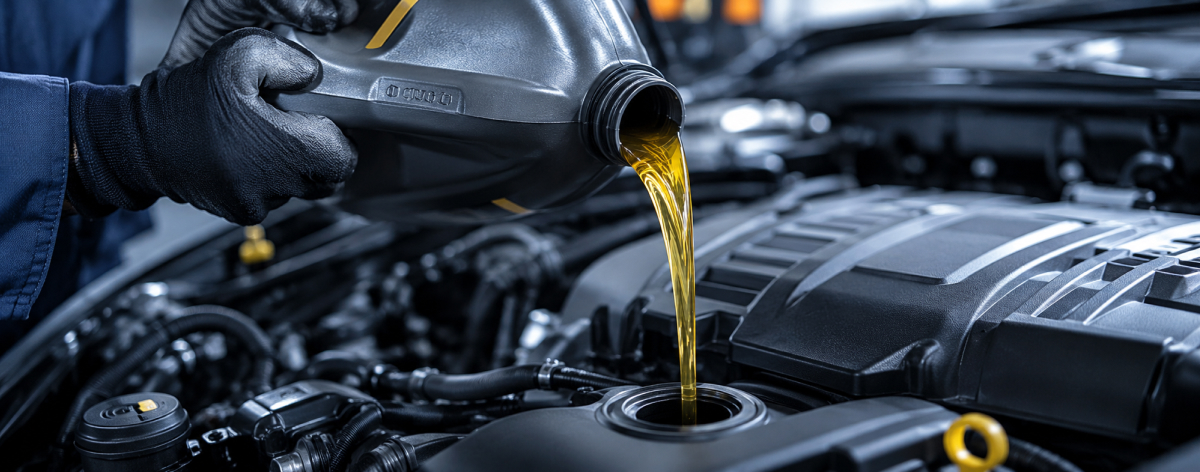
Most engines don’t break down out of the blue. Usually, the first signs come long before the breakdown through higher temperatures, more friction, less fuel efficiency, or strange engine noise. Still, these signs are mostly related to the mechanical parts, while the real problem is the lubricant.
Continuously using the wrong lubricant engine oil will gradually deteriorate a car, even when the user is consistently following the maintenance schedules. Different engines are subjected to different thermal loads, pressure conditions, and operating cycles. Oil, which is formulated for one type of environment, may not be able to protect another one.
Today’s vehicles require extremely accurate lubrication. Whether it’s industrial equipment, commercial vehicles, or passenger vehicles, the choice of the right oil is a direct factor in the vehicle’s reliability, resistance to wear, and efficiency of operation. This is the reason why more and more companies are entrusting a veteran lubricant engine oil manufacturer to guide them through the selection of oils that have been More exactly engineered to suit certain engine conditions and not just their one-size-fits-all approach.
Not Every Engine Works Under the Same Conditions
Engines might look quite similar on the outside, but in fact, the internal working of the engines is subject to very different stresses. This, in fact, is one of the main reasons why choosing the right lubricant engine oil is not just about checking the viscosity grades or the price levels.
One that is a passenger vehicle, which is based in the city, will be operating under conditions of frequent stopping-and-going movement, repeated cold starts that are repeated, and changing engine temperatures that are changing. Then again, commercial vehicles doing long-haul work will be running non-stop for hours and under conditions of sustained heat and loading. Also, engines used industrially for manufacturing purposes are most of the time under heavy operating conditions, making thermal stability and wear protection crucial aspects.
High-performance engines are yet another aspect to be considered. Turbocharged engines run at much higher temperatures, and lubrication has to be done swiftly to protect the parts that move from wear occurring too soon. Construction and mining equipment, by analogy, due to the very nature of their working environment, tend to be dusty, and the control of contamination is also of great importance.
This is where the expertise of a trusted lubricant engine oil manufacturer becomes essential. Engine oils are formulated differently based on operating conditions, pressure tolerance, oxidation resistance, and additive technology. Selecting the wrong oil may not create immediate failure, but over time it can reduce engine efficiency, increase deposit formation, and shorten equipment lifespan.
Understanding how an engine actually operates is the first step toward choosing the right lubrication strategy.
Understanding Viscosity Without Making It Complicated
One of the major factors considered when purchasing an engine oil is viscosity, which is often ignored. An oil’s resistance to flow measures the level of viscosity. When the temperature is low, oil viscosity is high, and at higher temperatures, it is low. That means, if the oil is highly viscous at cold temperatures, it won’t circulate quickly enough at engine start-up, but if the oil is less viscous, it may be inappropriate for protection in high heat and pressure situations.
This is actually the reason why oils with two viscosity grades are recommended quite often for a range of industry environments, like 5W-30 and 15W-40. For instance, engines that are subjected to cold starts have to be lubricated quickly, whereas heavy-duty engines that operate under constant load require a stronger and more durable oil film at high temperatures. Correct gly ecs selection has an immediate bearing on the engine since it affects the main parameters that determine the engine’s operating characteristics, like fuel consumption, friction, cleanliness of the engine, and the extent of long-term wear. With increased tolerance levels in today’s engine designs, the choice of viscosity now assumes a greater significance in achieving performance that is both high and stable.
If your company uses industrial plant and machinery, you will need to consider operating load and ambient temperature, and equipment runtime before making any decisions about lubrication strategy. Besides, it is also worthwhile knowing the operating/working conditions intimately, as this will enable the business to decide on the correct grade of lubricant oil that will deliver the desired engine reliability and efficiency of operations.
How Modern Engines Have Changed Lubrication Requirements
Modern engine designs are not simply following the old standards of operation that were prevalent ten years ago. At present, manufacturers are creating engines that are not only smaller but also more powerful, and capable of delivering better fuel efficiency while adhering to stricter environmental standards. Still, this also means that lubrication systems have to cope with increased demands.
Engines of the present generation have to endure rising temperatures as well as very small tolerances inside their components. Turbochargers, direct injection systems, and emission reduction equipment all require engine oils that are able to withstand very high temperatures without breaking down and causing sludge or dirty deposits. Lubrication methods that have been used for conventional engines might fail to provide the necessary level of protection.
Extended service intervals have become another big change. Companies are now counting on commercial and industrial engines to run up to very long times with as little downtime as possible. So, the need arises for oils that can resist oxidation, keep the engine running cleanly, and protect the parts from wear, even in long-lasting operating conditions.
A trusted engine oil manufacturer is well aware of such changing performance demands and creates formulations that are mostly suitable for the latest engine designs. Besides, advanced additives have become indispensable in friction reduction, emission system protection, and fuel economy maintenance in even the most challenging operating conditions.
Lubrication options are becoming more complex as engines progress. Choosing the right oil is not just a matter of maintenance anymore.
Warning Signs That Your Current Engine Oil Is Not Suitable
Many engine issues begin with lubrication problems long before major mechanical failures appear. When lubricant engine oil is not aligned with engine operating conditions, performance degradation becomes visible through several operational warning signs.
Increased Engine Noise and Rough Operation
- Higher friction between moving components
- Reduced lubrication film protection
- Irregular engine vibration during operation
Frequent Overheating Issues
- Poor thermal stability under high temperatures
- Inadequate heat dissipation inside the engine
- Increased stress during continuous load conditions
Declining Fuel Efficiency
- Higher internal engine resistance
- Increased fuel consumption during operation
- Reduced combustion efficiency caused by improper viscosity
Sludge and Deposit Formation
- Thick residue buildup inside engine components
- Reduced oil circulation efficiency
- Faster contamination of internal engine parts
Smoke Emissions and Exhaust Problems
- Excessive oil burning during operation
- Poor sealing and lubrication performance
- Increased carbon deposits within the system
Rising Maintenance and Downtime Costs
- More frequent servicing requirements
- Premature wear of engine components
- Reduced the lifespan of industrial and commercial engines
An experienced lubricant engine oil manufacturer can help businesses identify these warning signs early and recommend oils designed for specific operating conditions. Proper lubricating oil engine selection plays a major role in maintaining reliability, reducing wear, and improving long-term engine performance.
Mineral, Semi-Synthetic, or Fully Synthetic: Which One Actually Fits Your Engine?
Selecting the right engine oil is not simply about choosing the most advanced option available. The ideal choice depends on how the engine operates, the environmental conditions it faces, and the performance expectations attached to it. Understanding the difference between mineral, semi-synthetic, and fully synthetic oils helps businesses and vehicle owners make more cost-effective and performance-driven decisions.
Mineral Oil for Standard Operating Conditions
Mineral oils are typically suitable for older engines and applications with moderate operating demands. They offer basic lubrication performance and are commonly used in vehicles or machinery with shorter operating cycles and lower thermal stress.
Best Suited For:
- Older commercial vehicles
- Standard industrial equipment
- Low-intensity engine operations
- Budget-focused maintenance programs
While mineral oils are cost-effective initially, they generally require more frequent replacement intervals compared to advanced formulations.
Semi-Synthetic Oil for Balanced Performance
Semi-synthetic oils combine mineral oil with synthetic additives to improve thermal stability and wear protection. They provide a balance between affordability and enhanced engine performance.
Best Suited For:
- Mixed operating environments
- Medium-duty commercial applications
- Engines exposed to variable temperatures
- Businesses seeking longer oil life without premium costs
This category is often preferred by operators looking for improved lubricating oil engine efficiency while maintaining controlled maintenance expenses.
Fully Synthetic Oil for High-Performance and Modern Engines
Fully synthetic oils are engineered for advanced engine protection under extreme operating conditions. They deliver superior viscosity stability, oxidation resistance, and cleaner engine operation.
Best Suited For:
- Turbocharged engines
- High-temperature industrial systems
- Long-haul commercial fleets
- Modern fuel-efficient engines
- Heavy-duty continuous operations
A trusted engine oil manufacturer typically recommends synthetic formulations for modern engines that require extended drain intervals and higher thermal protection.
Making the Right Decision
The best lubricant engine oil is not always the most expensive option. The right choice depends on:
- Engine age and design
- Operating temperature
- Load conditions
- Maintenance frequency
- Fuel efficiency goals
- Runtime intensity
Selecting the correct oil category helps reduce wear, improve reliability, and extend overall engine lifespan while maintaining stable operational performance.
What to Evaluate Before Choosing an Engine Oil Brand
Not only the price or popularity of the engine oil brand in the market should be considered when deciding on a brand of engine oil. The quality of lubricant oil used in an engine will have a major impact on engine reliability, maintenance costs, operational efficiency, and long-term equipment performance. This is why supplier evaluation is a very important part of a lubrication strategy.
Industry certification and OEM approval compatibility are some of the first things a business should consider before making a decision. Oil that does not meet manufacturer requirements may reduce engine durability and void the warranty. Typically, a trustworthy engine oil manufacturer will create products that are tested based on well-known industry standards for wear protection, thermal stability, and deposit control.
The type of additives used in making engine oil is key as well. Newer detergents, dispersants, and anti-wear additives not only keep the engine running cleaner but also prevent component failure under conditions of high pressure and temperature. This factor is more important for commercial fleets, industrial machinery, and continuous-duty equipment, where the efficiency of lubrication is directly connected with output.
Technical support and supply consistency have a huge impact as well. If you are running a business with numerous outlets or heavy-duty operations, then you will need not only the availability to your product but also the expert advice on how to choose oils to match changing working conditions.
An experienced lubricant engine oil manufacturer does more than supply products. It helps organizations build lubrication strategies aligned with engine type, operational intensity, environmental conditions, and maintenance goals. Selecting the right partner ultimately contributes to lower operational risk, better asset protection, and longer engine life.
The Hidden Business Cost of Choosing the Wrong Lubricant
Many companies treat the choice of lubricants as a simple buying decision rather than seeing them as investments that influence operations for a long period. The reality is that the wrong engine oil can be a source of expenses that go even beyond the maintenance costs. Lesser engine efficiency, unplanned downtime, overheating, and faster wearing of parts are the problems that immediately impact the level of production and the continuity of operations.
In commercial fleets and factories, even small lubrication mistakes can result in huge financial losses when time passes. The low-quality oil, for instance, may degrade its viscosity under the influence of heat, be unable to protect the moving parts of the engine, or result in the sludge buildup that will hinder the performance of the engine. In consequence, there will be more frequent servicing, increased use of fuels, and equipment that will become old and not useful as quickly.
This is one of the reasons why nowadays the companies decide to work with the major engine oil manufacturers that are committed to performance consistency, quality control, and offer application-specific lubrication solutions. PYK LUBES, for example, considers lubrication as a performance tool rather than just a consumable product. They are constantly developing automotive and industrial lubrication solutions, which is an indication of the growing market of oils designed based on durability, thermal stability, and long-term operational reliability.
Usually, a good lubricant engine oil manufacturer is a way to figure out the best oils for your needs by considering such factors as the load on the engine, engine operating temperature, and the intensity of the use of the machinery. Also, this aspect becomes very important for industries where a stoppage in the functioning will directly cause the failure to meet the production schedule, delivery timelines, and profitability.
The long-term value of selecting the right lubricating oil engine solution is not measured only through engine protection. It is reflected in reduced breakdowns, stable operational performance, lower maintenance costs, and improved asset lifespan across the business ecosystem.
A Practical Checklist for Selecting the Right Lubricant Engine Oil
Choosing the right lubricant engine oil becomes much easier when the decision is based on engine operating requirements rather than assumptions or generic recommendations. Before finalizing any oil selection, businesses and vehicle owners should evaluate the following factors to ensure long-term engine reliability and performance.
Engine Oil Selection Checklist
Understand the Engine Type
Different engines operate under different pressure, load, and temperature conditions. Passenger vehicles, industrial machinery, heavy-duty commercial fleets, and turbocharged engines all require different lubrication characteristics.
Evaluate Operating Temperature
High-temperature environments demand oils with stronger thermal stability and oxidation resistance. Engines exposed to cold starts require faster oil circulation during startup.
Analyze Load and Runtime Conditions
Engines operating continuously under heavy load require stronger wear protection and viscosity retention compared to engines used intermittently.
Follow OEM Recommendations
Always review manufacturer specifications for viscosity grade, performance standards, and compatibility requirements before selecting engine oil.
Check Oil Change Intervals
Longer drain intervals require higher-quality formulations capable of maintaining performance over extended operating cycles.
Consider Fuel Efficiency Requirements
Modern engines designed for fuel optimization often require low-friction oils that reduce internal resistance without compromising protection.
Verify Industry Certifications
A trusted engine oil manufacturer typically provides products tested against recognized performance and quality standards for reliability and compliance.
Review Environmental and Emission Requirements
Modern engines equipped with emission control systems require oils designed to minimize deposit formation and support cleaner operation.
Assess Maintenance and Downtime Costs
The right lubricating oil engine strategy should improve operational stability while reducing servicing frequency and unexpected breakdowns.
Selecting the right oil is ultimately a performance decision. A well-matched lubrication strategy helps improve efficiency, extend engine life, and maintain consistent operational reliability across demanding environments.
Conclusion
Selecting the right engine oil is no longer a basic maintenance decision. Modern engines operate under higher pressure, tighter tolerances, and more demanding performance expectations than ever before. Whether it is a passenger vehicle, industrial machine, or commercial fleet, lubrication directly impacts engine reliability, fuel efficiency, wear protection, and operational continuity.
The right oil helps engines perform consistently under changing temperatures, heavy loads, and extended operating cycles. On the other hand, incorrect lubrication choices often lead to overheating, sludge formation, increased downtime, and rising maintenance costs. This is why businesses increasingly work with an experienced lubricant engine oil manufacturer that understands application-specific performance requirements instead of relying on one-size-fits-all solutions.
As engines continue evolving, lubrication strategies must evolve alongside them. Choosing the right lubricating oil engine solution ultimately protects not just the engine itself, but the long-term efficiency and productivity of the entire operation.
Power Long-Term Engine Performance With the Right Lubrication Strategy
Discover high-performance lubricant solutions designed to improve efficiency, reduce downtime, and protect engines across demanding operating environments.
Frequently Asked Questions
How do I choose the right lubricant engine oil for my engine?
The right lubricant engine oil depends on engine type, operating temperature, load conditions, manufacturer recommendations, and runtime intensity. Always select oil based on performance requirements rather than price alone.
What happens if the wrong engine oil is used?
Using unsuitable oil can increase engine wear, reduce fuel efficiency, cause overheating, create sludge buildup, and shorten overall engine lifespan.
Which lubricant engine oil is best for high-temperature engines?
High-temperature engines generally require oils with strong thermal stability, oxidation resistance, and viscosity retention. Fully synthetic oils are often preferred for these operating conditions.
Why is viscosity important in lubricating oil engine performance?
Viscosity determines how effectively oil flows and protects engine components under different temperatures. Proper viscosity helps reduce friction, improve efficiency, and maintain stable engine protection.
What should businesses evaluate before selecting an engine oil manufacturer?
Businesses should evaluate product certifications, OEM approvals, additive technology, technical support, supply consistency, and the manufacturer’s experience in serving different industrial and commercial engine applications.